
Spinal decompression for back pain, sciatica and disc problems in Surrey Hills
Chattanooga DTS table and high intensity laser, in our own clinic
For bulging discs, pinched nerves, neck pain and spinal stenosis. Assessed and treated by our physios and chiropractors.
405 Canterbury Rd, Surrey Hills VIC 3127 · Open Mon to Sat, 7:30am to 7:30pm
What we treat with decompression and laser
These are the problems both treatments are used for at Physimed. Your first visit is an assessment, so we can tell you whether they suit your back or neck before you start.
Lower back pain
Chronic low back pain is on both treatment lists. The table has a lumbar (lower back) setting.
Spinal decompression and laser
Sciatica and pain down the leg
Sciatica, nerve pain and pain running down the legs, often with numbness or tingling.
Spinal decompression and laser
Bulging, slipped or herniated disc
Bulging, prolapsed and herniated discs are what the decompression table is built for.
Spinal decompression and laser
Pinched nerve
Pinched nerves causing numbness or tingling in the arms or legs.
Spinal decompression and laser
Neck pain
Chronic neck pain and cervical spondylosis. The table also has a cervical (neck) setting.
Spinal decompression and laser
Spinal stenosis
Also on the decompression list: degenerative disc and joint disease, spinal arthritis and facet joint syndrome.
Spinal decompression
How spinal decompression works
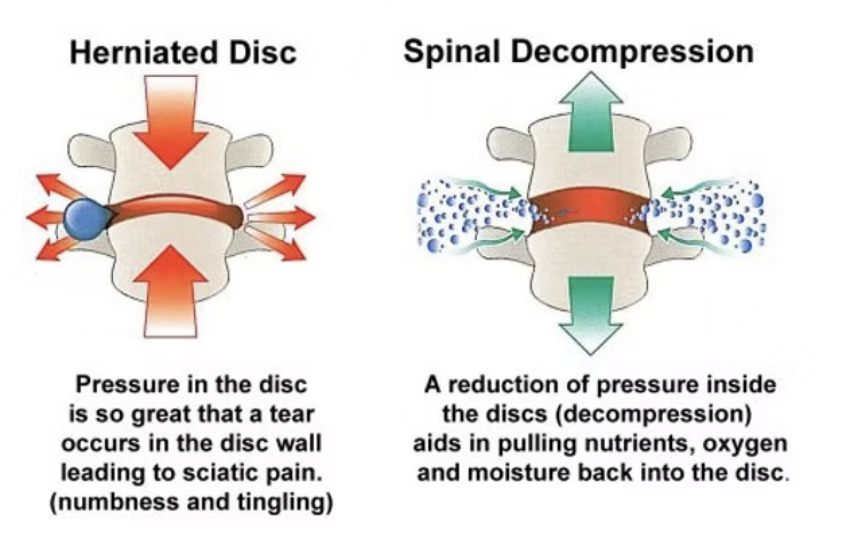
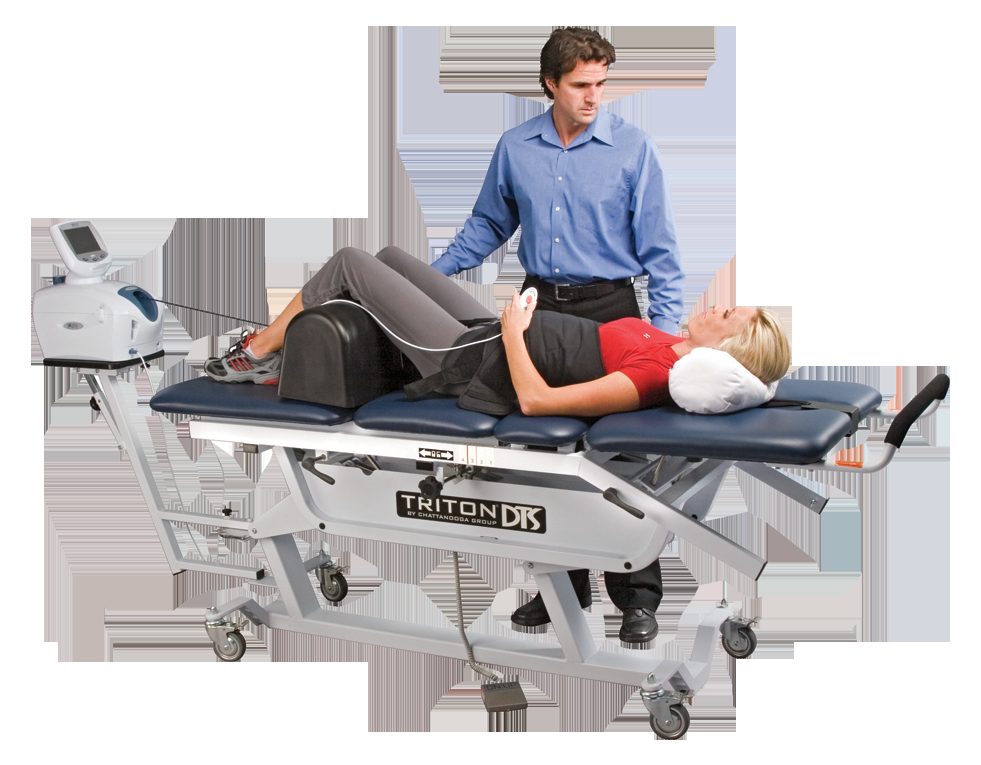
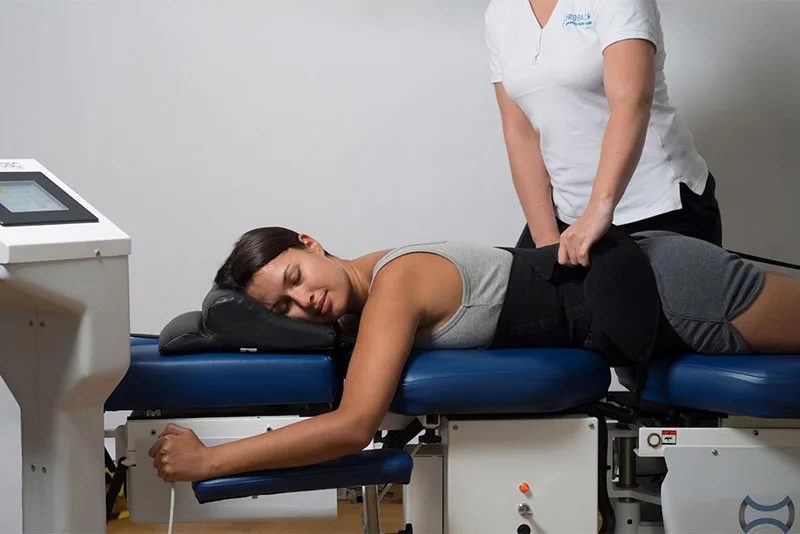
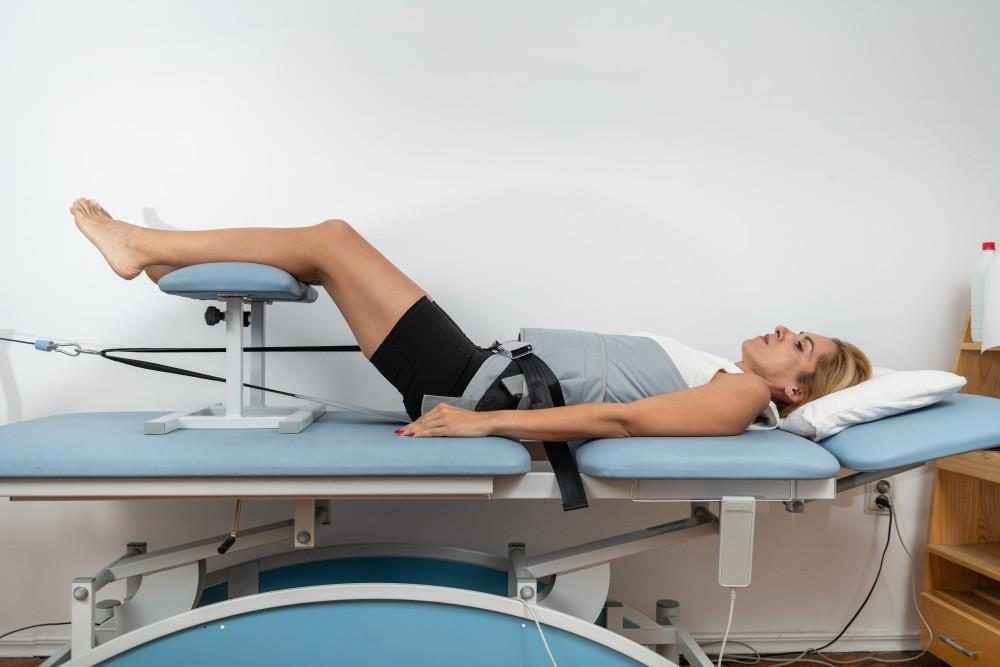
Non-surgical spinal decompression uses a Chattanooga DTS table. You lie on the table in a harness and a computer runs set cycles of gentle stretching and relaxation through the lower back or the neck, building slowly to a peak and easing off again.
The aim is to take pressure off the spinal discs, the joints and the nerves around them, and to ease muscle tension. Unlike manual traction, the computer controls the pattern, the angle, the strength and the rest periods every session.
It is not new: it is mechanical traction taken further. It is harder to find because the tables are expensive and bulky, which is why many clinics do not have one.
Your decompression program has three parts
- Treatment
- Sessions on the table, focused on disc pressure, nerve irritation and pain.
- Structural stabilisation
- Supporting the alignment of the spine while the discs settle.
- Muscle support
- Strengthening the muscles around the spine so it is better supported once table sessions end.
Some people notice a change early. We still ask you to finish the plan, because the later parts are there to support the disc and the spine after the table sessions.
What a session is like
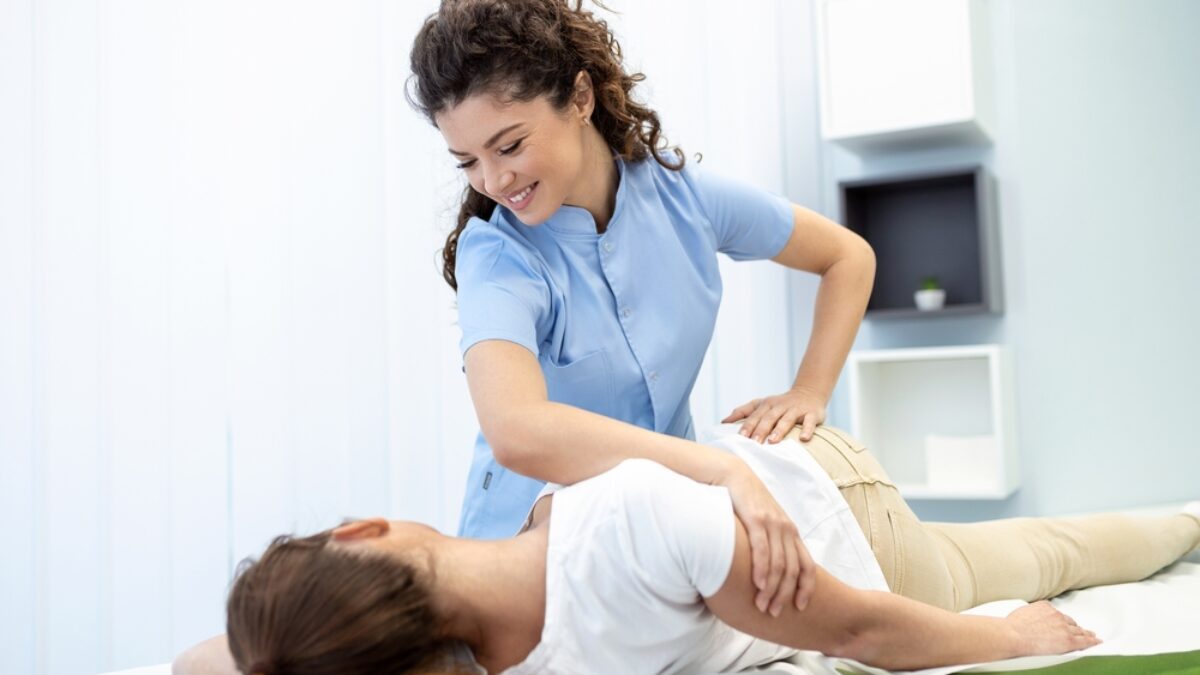
Under 20 minutes. Most decompression sessions run for less than 20 minutes on the table.
Gentle and gradual. The stretch builds slowly to the level set for you, then eases off, in cycles. Our staff watch the whole session.
You hold the stop button. A hand-held switch releases the tension straight away and sounds a buzzer for our staff if anything feels wrong.
Bring your music. Plenty of people listen to their own music, and some fall asleep during the decompression part.
Laser therapy, high intensity and low level
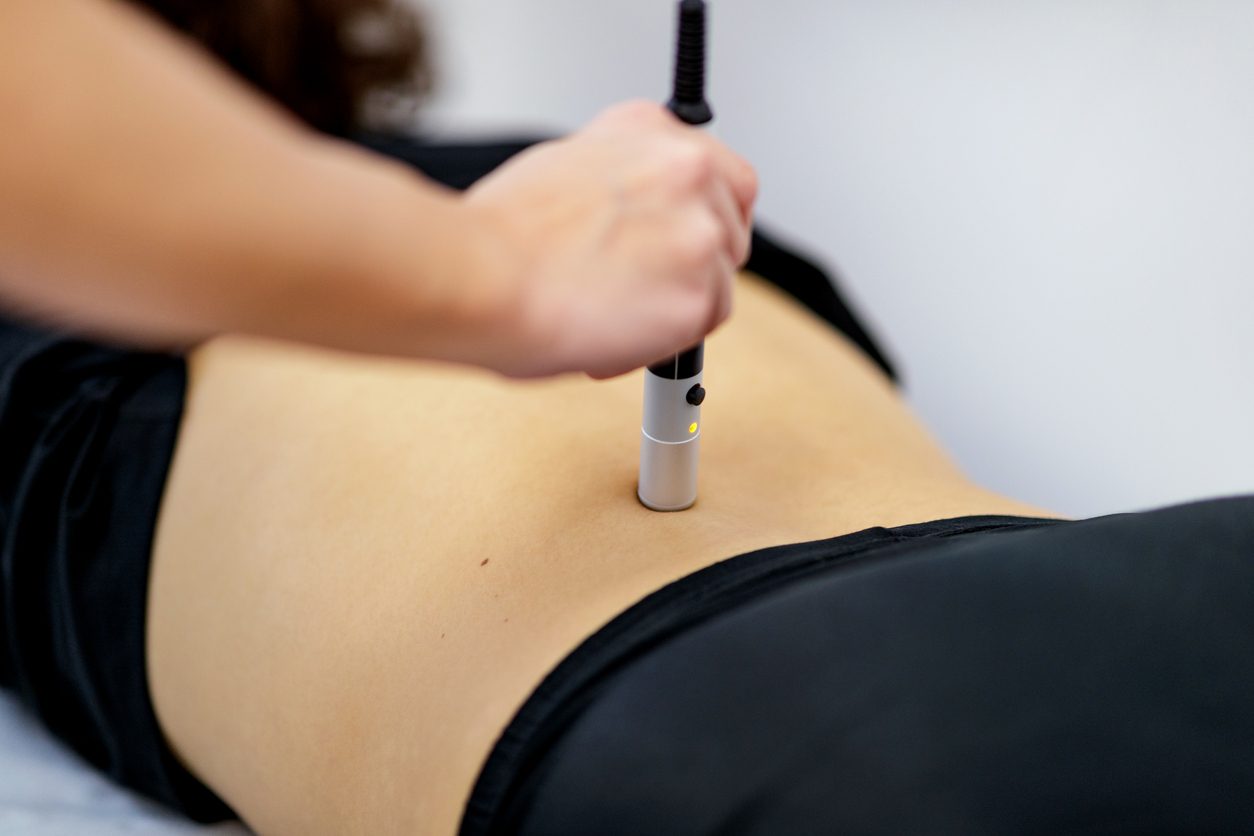
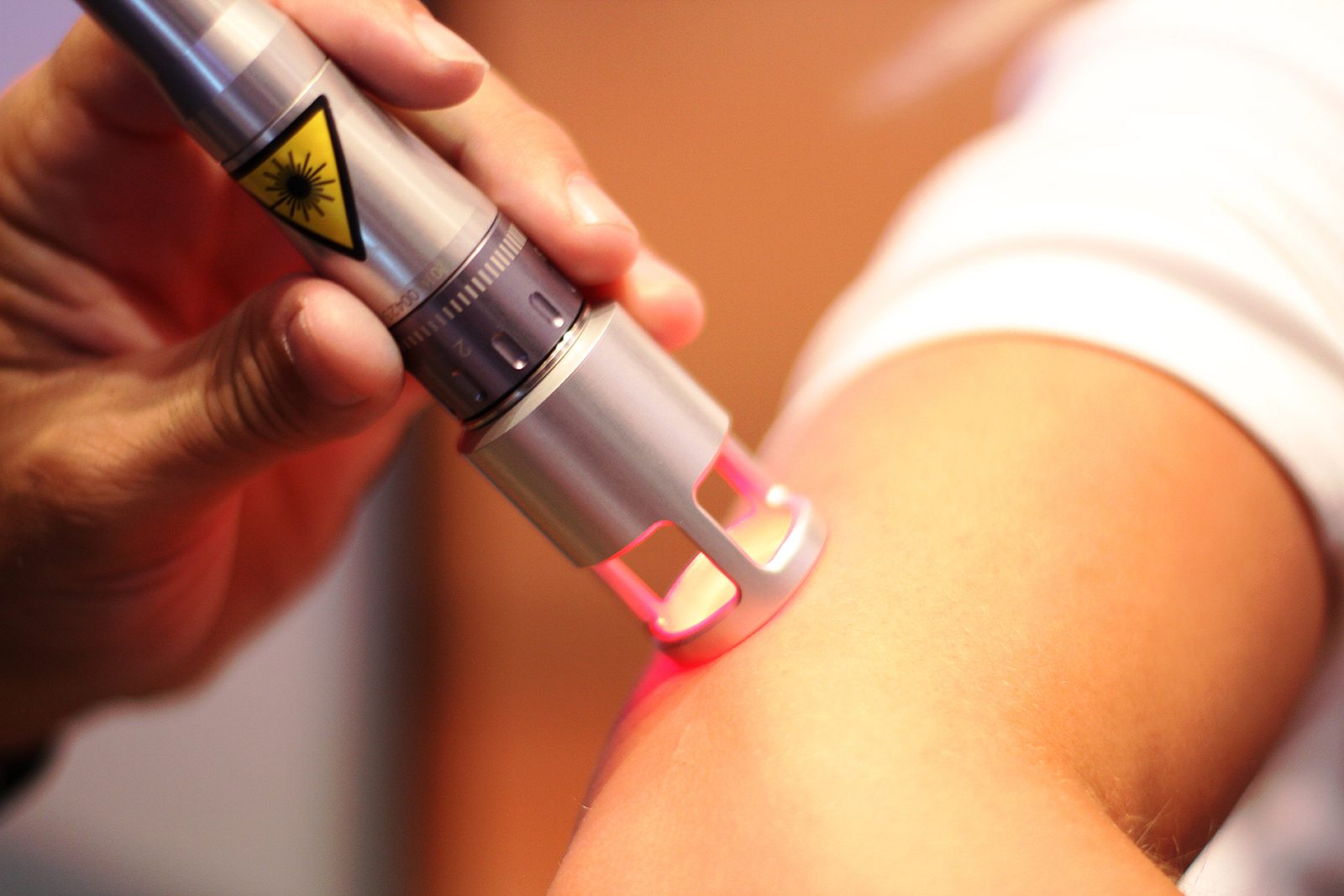
Laser therapy sends set wavelengths of light into injured or inflamed tissue. We use Chattanooga laser equipment and choose the type, wavelength and power for your problem and how deep it sits.
| Low level laser (LLLT) | High intensity laser (HILT) | |
|---|---|---|
| Reaches | Surface soft tissue | Several centimetres below the skin: muscles, joints, nerves, connective tissue |
| Used for | Mild inflammation, early stage injuries | Long standing pain and inflammation, thick or hard to reach structures |
| On the spine | Bulging or irritated discs, lower back and neck pain, sciatica and nerve related pain, cervical spondylosis | |
It is non-invasive and uses no medication or injections. You should feel no pain: mild warmth or a slight tingle is normal.
Is it right for you? That is what the first visit is for
We assess you first
Decompression is not for everyone. Our physiotherapists and chiropractors assess your back or neck and tell you whether the DTS table suits your condition before any treatment.
A plan for your problem
If it suits, you get a plan: decompression, laser, or both, with the exercises that go with them. Each session is set to your condition and what you can tolerate.
We check it is working
With laser, we review you after 6 sessions. If there is no improvement after 6 to 8, we stop laser and look at other options with you.

Physios and chiropractors under one roof
Your assessment and treatment are with our own allied health team, not a technician. Pavi is our Principal Physiotherapist, and our chiropractors Dr Jin Lee and Dr Leigh Murrant work in the same clinic, so your plan can use both.
If your neck is a worry: we only include neck adjustments when there is a clear clinical reason, and never when there is any sign you would be at risk. There are many techniques that do not involve manipulation.
Find us at 405 Canterbury Rd, Surrey Hills
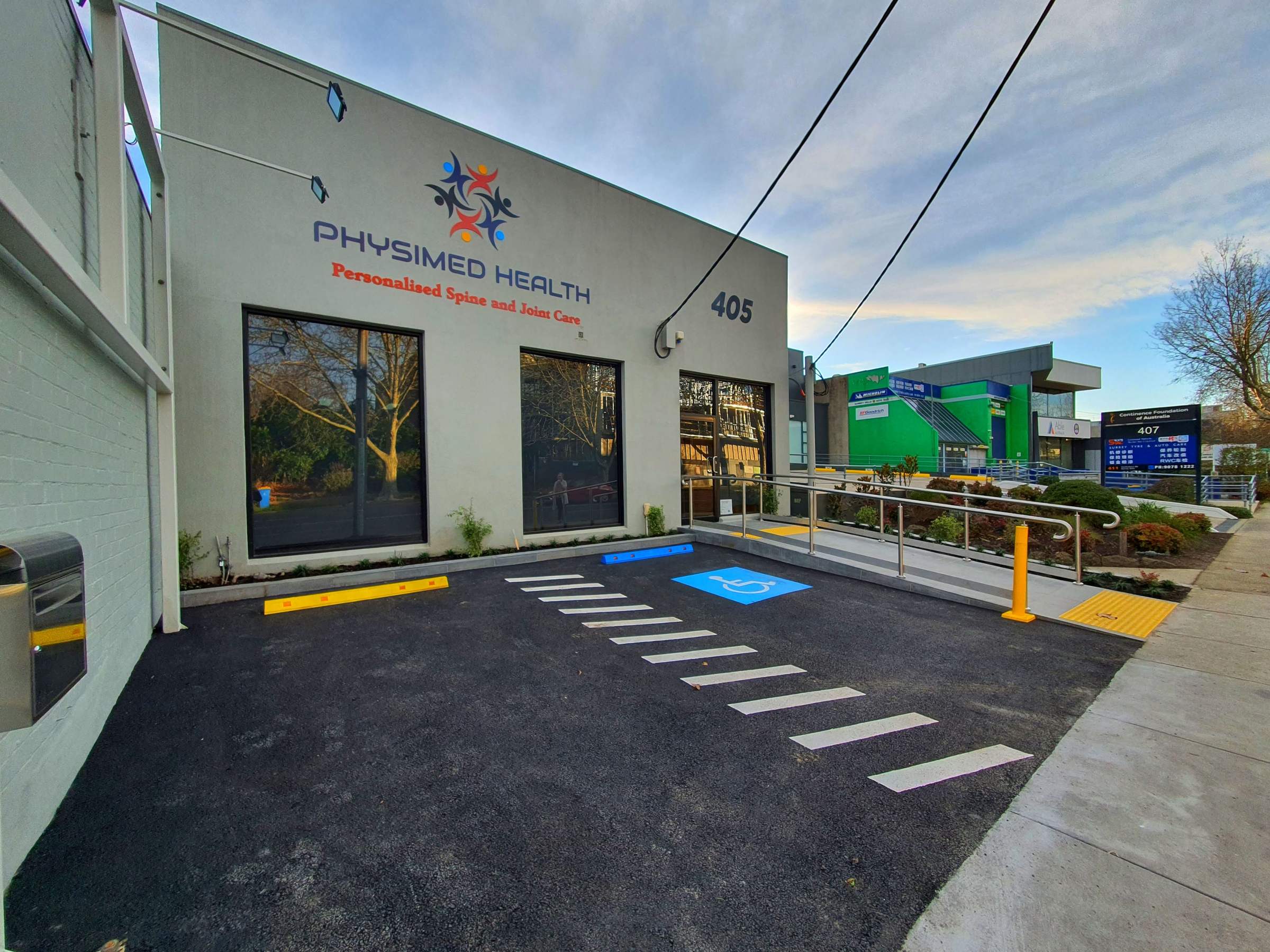
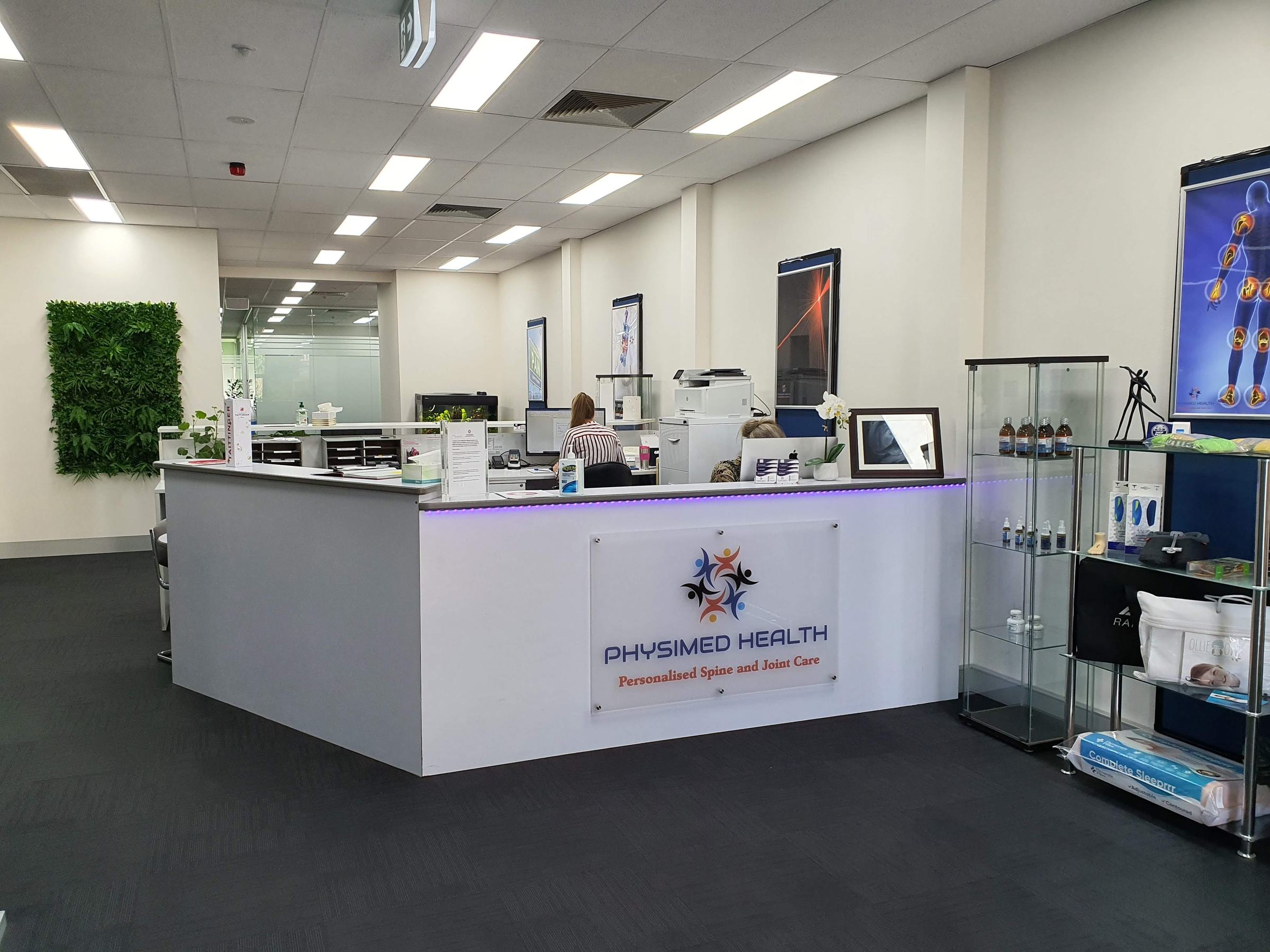
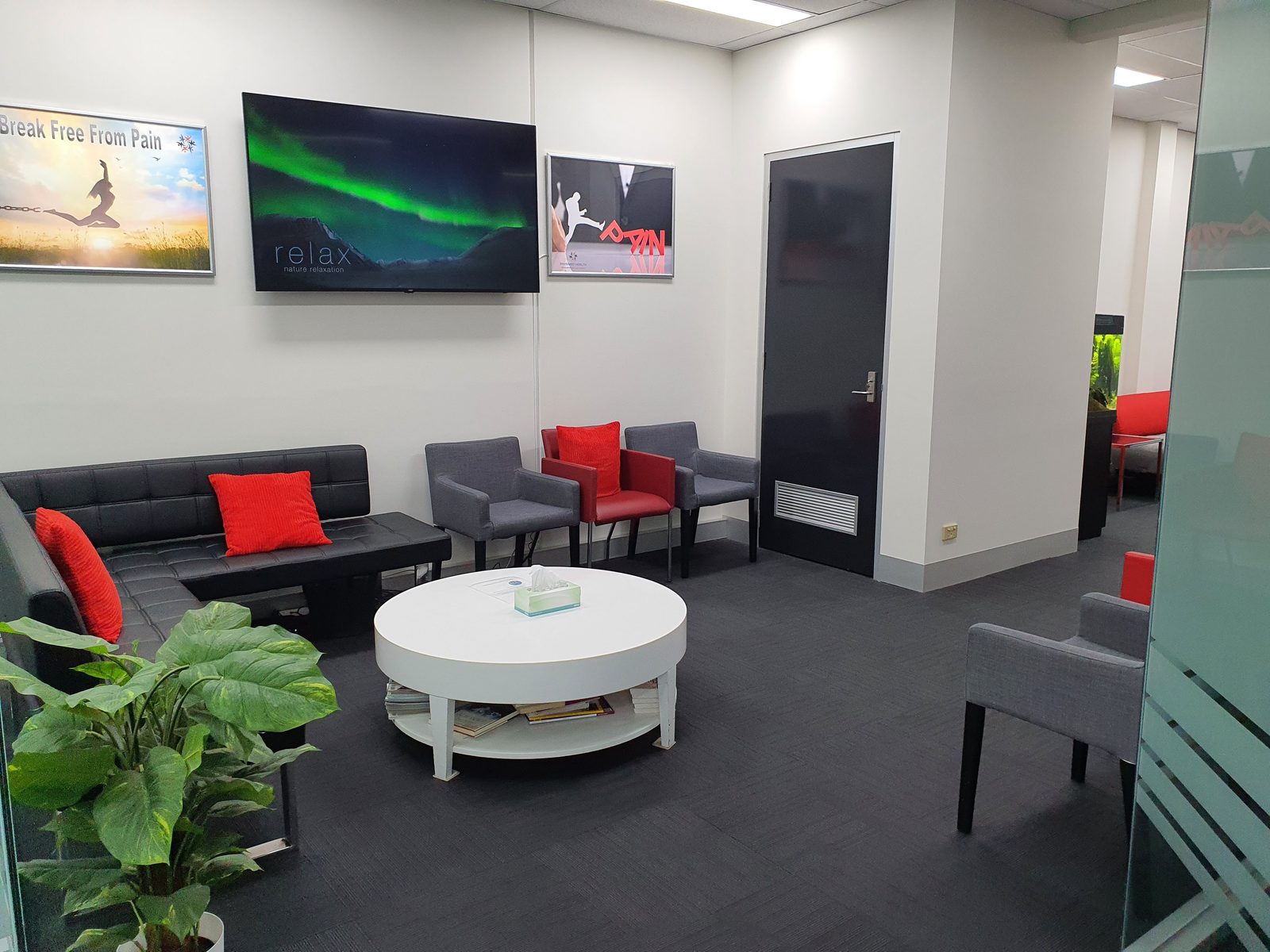
Address405 Canterbury Rd, Surrey Hills VIC 3127
HoursMonday to Saturday, 7:30am to 7:30pm
ParkingCar park at the front of the clinic, with an accessible bay and a ramp to the door.
NearbyClose to Box Hill, Mont Albert, Canterbury, Camberwell, Balwyn and Burwood.
Questions people ask before they book
It is usually comfortable. Many people listen to music and some fall asleep. If you come in with a lot of disc pain, we do everything we can to keep you comfortable, and you hold a stop button that releases the table straight away.
Decompression sessions usually take less than 20 minutes on the table. Your first visit is longer because it starts with an assessment.
It depends on the condition, how long you have had it, your age and your general health. Your plan is set after the assessment and the decompression program runs in three parts. For laser, we review you after 6 sessions.
No. It suits some spinal problems and not others, which is why we assess you first and only recommend it when it fits your condition.
It does not cut or damage tissue the way surgical lasers do. You should feel no pain, only mild warmth or a slight tingle. Some people feel a mild ache afterwards that settles in 24 to 48 hours. It is not used over the eyes, over cancerous lesions, or over the womb in the first trimester of pregnancy.
You can book directly. We also accept GP referrals, WorkCover, NDIS participants, aged care plans and all health funds. What your fund pays back depends on your cover, so ask us when you book.
405 Canterbury Rd, Surrey Hills VIC 3127, with a car park at the front. We are open Monday to Saturday, 7:30am to 7:30pm. Close to Box Hill, Mont Albert, Canterbury, Camberwell, Balwyn and Burwood.
Book a consultation in Surrey Hills
Tell us where the pain is and we will call you back to find a time. Or call the clinic now.